
Story audio is generated using AI
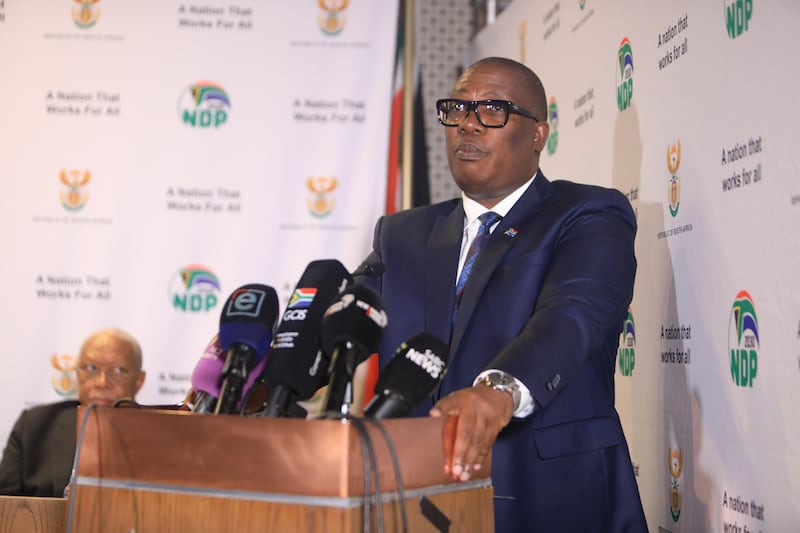
Following the discovery of 11 women’s bodies in the Ekurhuleni region and another in Soweto, Gauteng premier Panyaza Lesufi, Gauteng mayors and police officials on Friday announced decisive measures to strengthen the province’s response to gender-based violence and femicide (GBVF).
The developments have intensified pressure on authorities to strengthen safety measures across the province. During the media briefing, officials examined gaps in existing interventions and outlined the province’s response to the killings.
Lesufi announced a four-point plan aimed at strengthening the government’s response to GBVF. It includes a national operation to investigate unresolved cases involving women and children.
The measures focus on policing, investigations, forensic processing, prosecution and community safety. The goal is to ensure that cases are handled more effectively and that victims and survivors have improved access to justice.
The first part of the plan focuses on case recovery, which Lesufi described as “an audit of unresolved murders, attempted murders, rapes and serious sexual offences involving women and children”.
President Cyril Ramaphosa has directed the police and justice ministries, working with the South African Police Service and, with due regard to prosecutorial independence, the National Prosecuting Authority, to conduct an audit of these cases.
The second intervention focuses on forensic backlogs. Police, the national police commissioner and relevant forensic authorities have been directed to produce a funded plan within 60 days to reduce backlogs and establish clear turnaround standards for priority GBVF cases.
The plan must detail the size and age of the backlog, shortages of personnel and equipment, resources required and dates by which the backlog is expected to be reduced.
Forensic samples linked to the rape or murder of women and children are to be prioritised, with progress against turnaround standards reported publicly every quarter.
The third intervention requires every municipality to conduct a women’s safety audit to identify high-risk areas.
The audits are expected to identify hazards such as broken streetlights, overgrown public spaces, abandoned buildings, unsafe transport routes and poorly secured parks.
The government has set a 90-day deadline after completion of the audits for urgent hazards to either be addressed or included in a funded implementation plan with clear completion dates.
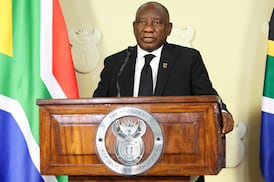
This follows measures announced by Ramaphosa, who on Tuesday gave municipalities 60 days to identify and address safety hazards, including broken street lights, abandoned buildings and dangerous transport routes.
“Women should not have to live in fear because the government has failed to repair a light,” Ramaphosa said.
The fourth intervention will focus on reducing alcohol-related violence through a co-ordinated legislative and enforcement package involving several government departments.
Ramaphosa said harmful alcohol use is an aggravating factor in interpersonal violence and should be addressed as part of broader prevention efforts.
Residents are urged to report criminal activity, provide information that could assist investigations and support survivors of GBVF.
The Inter-Ministerial Committee and National Council on GBVF will monitor implementation of the measures and issue consolidated public progress reports every quarter.
The government said the measures are part of efforts to accelerate implementation of the National Strategic Plan on GBVF and strengthen the criminal justice and prevention response to violence against women and children.
TimesLIVE






Would you like to comment on this article?
Sign up (it's quick and free) or sign in now.
Please read our Comment Policy before commenting.