
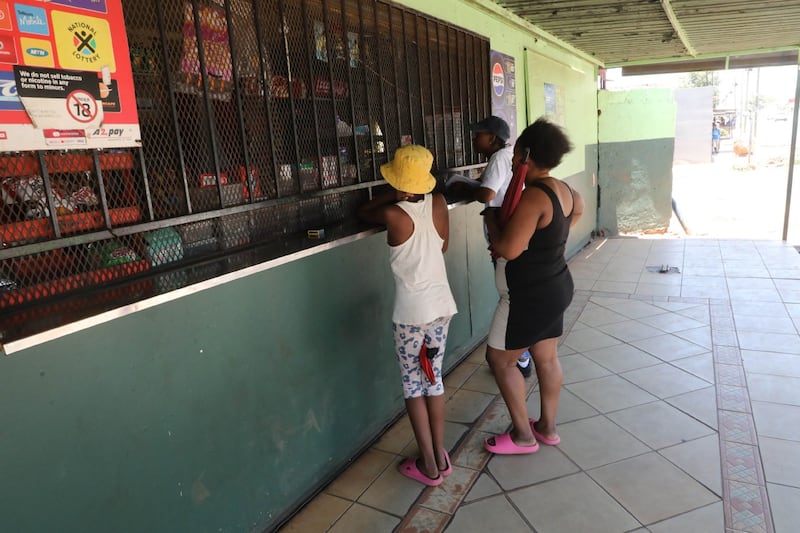
The department of small business development (DSBD) says compliance challenges, particularly the lack of valid municipal trading licences, continue to hamper the rollout of the R500m Spaza Shop Support Fund, with just R179.6m approved for qualifying businesses since the fund was launched in April 2025.
DSBD director-general Thulisile Manzini provided an update on the progress of the fund during a media briefing in Pretoria on Friday.
She was joined by Small Enterprise Development and Finance Agency (Sedfa) acting CEO Nkosikhona Mbatha, Sedfa interim board chairperson Patrick Makape and deputy director-general Qinisile Delwa.
Manzini expressed concern that many applications had been rejected because businesses failed to meet the fund’s eligibility requirements.
One of the key requirements is that applicants must possess a valid spaza shop licence or trading permit issued by their respective municipalities.
To date, the fund has received 4,522 complete applications from around the country, of which 4,240 have been assessed.
However, only a portion of the available funding has been allocated.
Manzini said the government has approved support worth about R179.6m through the fund, benefiting qualifying South African-owned spaza shops in all nine provinces.
Of the approved applications, Sedfa has supported 1,316 businesses valued at R79.6m while the National Empowerment Fund has approved 1,053 enterprises worth R99.9m.
In total, 2,369 businesses have been approved for assistance.
“Compliance remains a significant challenge, with only 58% of applicants linked to valid business licences or temporary municipal permits limiting the progression of many applications,” said Manzini.
Verification processes have also uncovered 354 non-compliant applications involving ownership discrepancies and businesses that could not be verified.
The approved support includes stock purchases, point-of-sale devices, infrastructure upgrades, inventory support and business development services aimed at improving sustainability and competitiveness in township and rural economies.
The department said the fund is also contributing to transformation goals with 43% of approved enterprises owned by women, 18% by young people and 2% by persons with disabilities.
Mbatha said some provinces were performing better than others when it came to compliance and securing approval for funding.
Quite a number of applications are coming from Limpopo and to a certain extent also the Eastern Cape.
He called on municipalities and business associations to work more closely with government to improve licensing compliance among spaza shop owners.
Mbatha said Sedfa remained committed to ensuring that all qualifying South African-owned spaza shops benefit from the programme while maintaining strict verification measures.
He emphasised that robust checks were necessary to protect the fund against fraud and fronting.
The government also announced that it will resume its nationwide outreach and awareness campaign in June to encourage more eligible businesses to apply and to provide support to help applicants meet compliance requirements.
Officials expressed confidence that greater awareness and improved licensing compliance would accelerate the disbursement of the remaining funds and broaden the programme’s impact on township and rural economic development.
TimesLIVE







Would you like to comment on this article?
Sign up (it's quick and free) or sign in now.
Please read our Comment Policy before commenting.