
Story audio is generated using AI
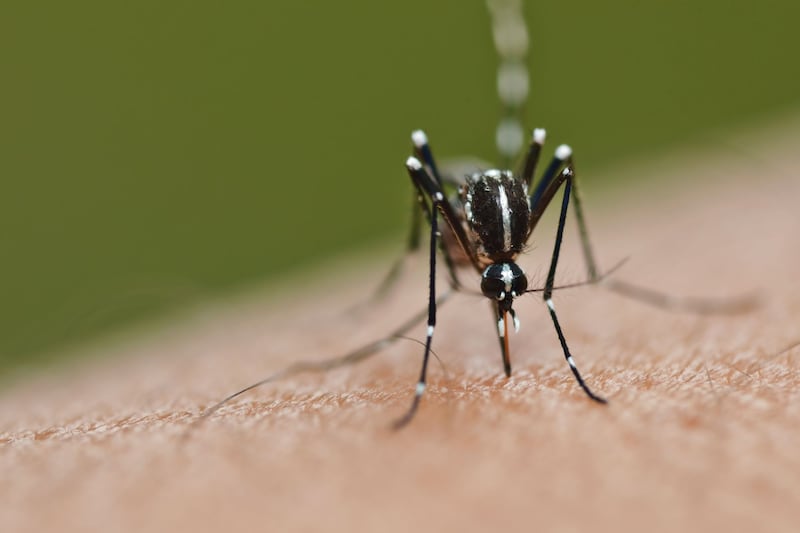
The Gauteng health department is urging residents to take precautions against malaria, particularly when travelling to at-risk areas, after a sharp increase in infections.
The province recorded 768 malaria cases and 17 deaths between January and September, compared with 554 cases and six deaths during the same period last year. This represents a 38.6% increase in reported infections, while the number of deaths has nearly tripled.
“Malaria is a serious but preventable and treatable disease,” spokesperson Steve Mabona said.
Common symptoms include fever, chills, headache, muscle aches, nausea and vomiting.
“Anyone who develops these symptoms while travelling to, or after returning from, a malaria-endemic area should immediately seek medical attention and inform health-care workers about their travel history.”
Mabona said the figures were concerning, particularly as 15 (88.2%) of the 17 people who died this year had travelled to countries within the Southern African Development Community (Sadc) region.
Though Gauteng is classified as a non-malaria-endemic province, residents are at risk of contracting the disease when visiting areas where malaria is prevalent
Mozambique accounted for about 59% of the reported deaths, highlighting the role of cross-border travel in Gauteng’s malaria burden.
Though Gauteng is classified as a non-malaria-endemic province, residents are at risk of contracting the disease when visiting areas where malaria is prevalent.
Residents planning to travel to malaria endemic areas are being urged to visit travel clinics across the province’s five health districts for advice and appropriate precautions before and during their trips.
The department’s warning comes as it joins the Sadc in emphasising the importance of regional co-operation, prevention and strengthened disease surveillance to combat malaria.
Through its environmental health services, Mabona said the department continues to strengthen malaria prevention and control interventions across all health districts.
The province also conducts audits of all malaria-related deaths to identify contributing factors and strengthen prevention and response measures. It is working with municipalities, the National Institute for Communicable Diseases, the national health department other relevant stakeholders to improve malaria prevention, surveillance and control.
TimesLIVE







Would you like to comment on this article?
Sign up (it's quick and free) or sign in now.
Please read our Comment Policy before commenting.