
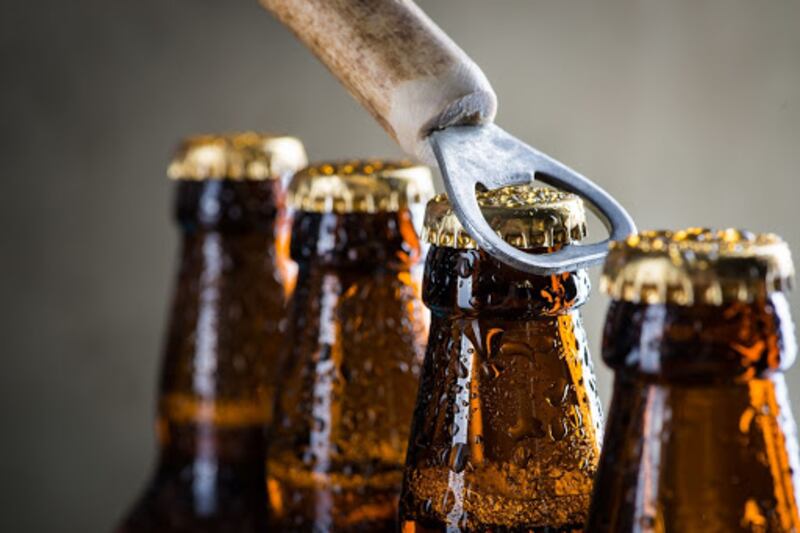
The City of Cape Town has destroyed 3,000l of alcohol confiscated during the first two weeks of December.
The liquor was seized from public spaces, including beaches, and during roadblocks in the metro.
Among the haul destroyed at the city’s Ndabeni pound on Thursday were high-end bottles, including Johnnie Walker Blue Label Xordinaire and Don Julio Extra Añejo Tequila.
Cape Town safety and security MMC JP Smith said the mass disposal is a matter of public safety rather than malice.
“This is not a contest of ‘us vs them’,” Smith said in an interview with Newzroom Afrika.
“We don’t do this to be spiteful; we do it because we know the consequences of alcohol abuse and the lives that are lost.”
Smith noted that while most residents follow the law, some continue to treat the regulations as a challenge. “Unfortunately, while many members of the public understand the message and work with us, a portion of the population sees this as a game. They come to the beach and hide alcohol in all sorts of creative ways.”
Between December 8 and 14, authorities made 119 arrests, 81 of which were for driving under the influence. In the past week, 14 pedestrians died on Western Cape roads.
Smith said alcohol remains a primary driver of fatalities and injuries in public spaces.
“Alcohol is a big threat for us during the festive season. Many of the fatalities and injuries that needlessly happen are the consequence of alcohol.
“There’s nothing good to be said about alcohol in public spaces. These rules have existed for a long time; they are not new.”
Members of the public are permitted to recover confiscated alcohol upon payment of a fee. Smith said the public disposal process is a transparency measure to prove officials are not consuming the seized goods.
While Smith personally suggested that the city should auction the high-value liquor to fund development programmes, alcohol rehabilitation centres or support for the families of slain officers, he acknowledged the legal hurdles.
“The city would need to acquire a liquor licence to do so. There is an enormous amount of legal complication attached to it, which is why the legal department recommended against it.
“Second, it avoids the accusation that the city is impounding liquor just to profit from it. For those reasons, the city has decided not to auction it, though I would personally prefer to see that money put to good use.”
TimesLIVE






Would you like to comment on this article?
Sign up (it's quick and free) or sign in now.
Please read our Comment Policy before commenting.